
Key Takeaways
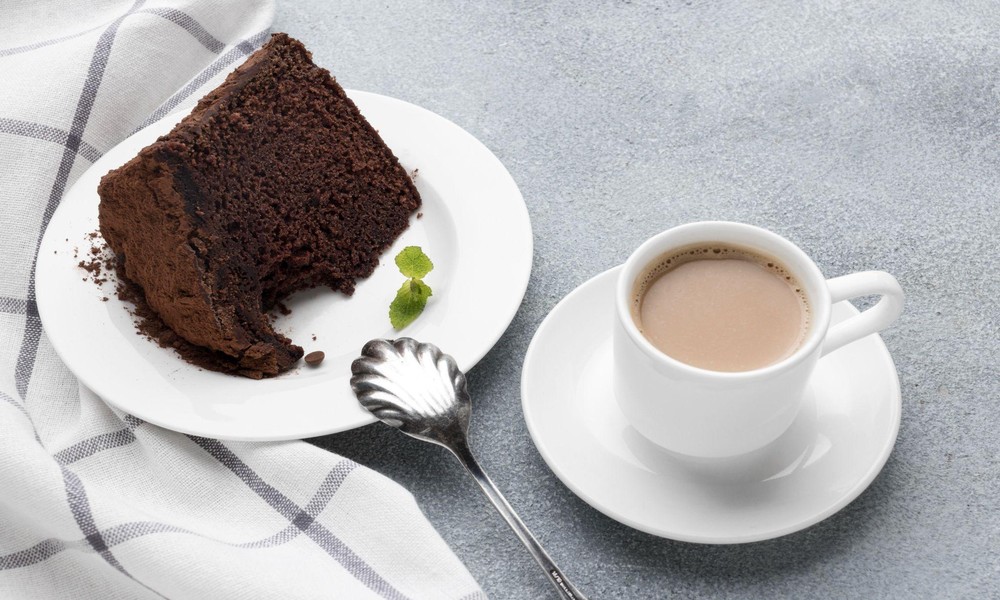
- A rich Chocolate Ganache Cake pairs best with drinks that balance sweetness, bitterness, and texture.
- Coffee complements the deep cocoa flavour through roasted and bitter notes.
- Wine pairings depend on the intensity and sweetness level of the cake.
- Tea provides a lighter pairing option that reduces flavour fatigue during dessert service.
- Serving temperature and portion size also affect how the cake and beverage interact together.
Introduction
A well-made Chocolate Ganache Cake is dense, rich, and highly concentrated in flavour, which makes beverage pairing more important than many people realise. The wrong drink can make the dessert feel overly sweet, heavy, or unbalanced. However, the right pairing can improve texture, highlight cocoa notes, and create a cleaner finish on the palate. Whether served in cafés, restaurants, dessert bars, or private events, matching chocolate-based desserts with coffee, wine, or tea requires attention to sweetness, bitterness, acidity, and serving temperature.
Pairing Chocolate Ganache Cake with Coffee
Coffee is one of the most common pairings for chocolate desserts because both share roasted flavour compounds. However, not every coffee works equally well with a ganache-based cake. Since ganache is smooth, dense, and rich in fat, coffees with strong bitterness or high acidity may overpower the dessert instead of complementing it.
Espresso works well when served in small portions alongside a thin slice of cake. The concentrated flavour cuts through the richness without extending the sweetness. Medium-roast coffees are often more balanced for general dessert service because they retain enough body while avoiding burnt or overly acidic notes. Drinks such as cappuccinos or flat whites also work well because the milk softens bitterness and creates a smoother transition between the beverage and dessert.
Cold brew coffee can also pair effectively with a chocolate ganache cake, especially in warmer climates or during afternoon service. Its lower acidity produces a softer finish that allows the cocoa flavour to remain dominant rather than sharp.
Choosing the Right Wine Pairing
Wine pairings become more complex because chocolate can easily overpower lighter wines. Dry white wines, in most cases, struggle against the density of ganache and leave an unpleasant contrast in flavour intensity. Stronger dessert wines and fortified wines generally produce better results.
Red wines with dark fruit notes, such as Shiraz or Cabernet Sauvignon, pair well with dark chocolate ganache because they mirror the bitterness and richness without disappearing behind the dessert. However, wines with excessive tannins may create a dry mouthfeel when combined with chocolate fats, so balance is important.
Port wine is one of the more reliable choices for formal dessert pairings. Its sweetness matches the sugar level of the cake while its depth supports the cocoa flavour. Ruby ports often suit sweeter ganache cakes, while tawny ports pair better with more bitter dark chocolate versions.
Meanwhile, for milk chocolate ganache cakes, lighter dessert wines can work more effectively because the sweetness level is higher and the bitterness is lower. The key principle is ensuring the wine is at least as sweet as the dessert itself.
ALSO READ: Cake vs Pastry: How to Tell the Difference
Using Tea for a Lighter Dessert Pairing
Tea creates a less intense pairing experience and is often preferred during afternoon dining or extended dessert service. Unlike coffee or wine, tea cleans the palate without adding excessive heaviness. This instance makes it suitable for guests who prefer lighter beverage options.
Black teas such as Earl Grey or English Breakfast pair well because their tannins provide structure against the richness of the ganache. Earl Grey, in particular, introduces citrus notes that help reduce flavour fatigue. Green teas can also work when the cake uses darker chocolate with lower sugar content, although delicate green teas may become overwhelmed by sweeter cakes.
Herbal teas are generally less reliable because many floral or fruit-heavy blends compete with the chocolate rather than support it. Peppermint tea is one exception because mint naturally complements cocoa flavours and creates a cleaner finish after each bite.
Conclusion
Pairing a Chocolate Ganache Cake with coffee, wine, or tea depends largely on balancing richness, sweetness, and intensity. Coffee enhances roasted cocoa notes, wine creates depth and contrast, while tea offers a lighter and cleaner pairing experience. Remember, by matching the beverage strength to the density of the dessert, cafés, bakeries, and event organisers can create a more balanced and enjoyable dessert presentation.
Visit Swee Heng Bakery and discover a rich dessert centrepiece that pairs perfectly with coffee, wine, or tea service.