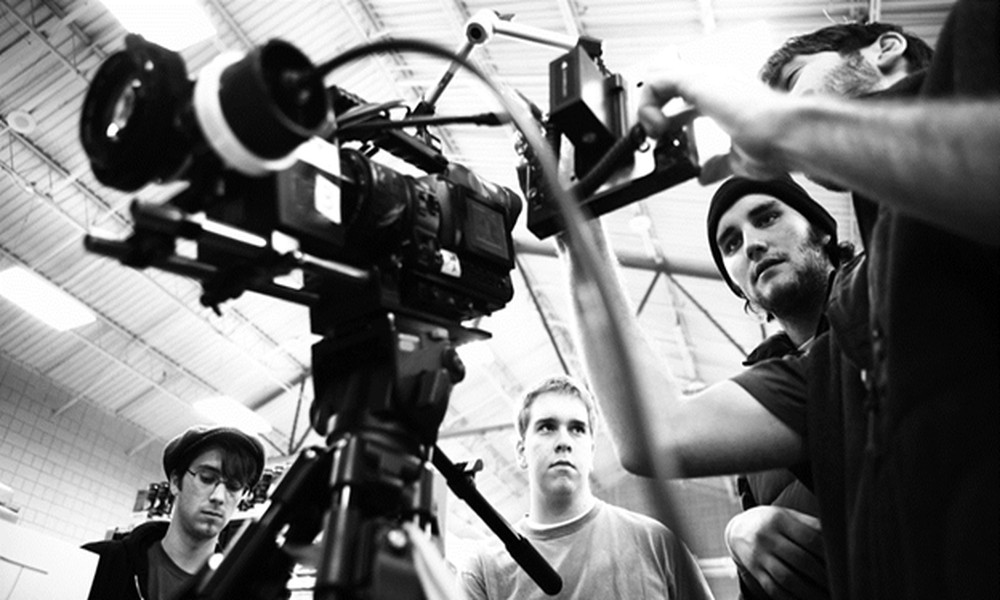
In most industries, networking means attending a conference, exchanging business cards, and connecting on LinkedIn. In the live music production world, it means something entirely different. Relationships here are built in loading docks at midnight, during twelve-hour load-ins at festival sites, and in the quiet moments between soundcheck and doors when experienced crew members share what they know with the people coming up behind them. The live production industry runs on trust, reliability, and reputation and all three are built through direct human relationships forged in the field. That immersion begins inside a quality music program for live event production that connects students to working professionals and real-world projects from the start. Here is a practical guide to building a professional network in live music from scratch the way it actually works.
Understand How the Industry Actually Hires
Before you can build a network effectively, you need to understand how the live production industry fills its crew positions. There is no major job board where touring sound engineers post openings or production managers list assistant positions. Work flows almost entirely through personal referrals. A production manager who needs a local audio crew for a show calls the people they know and trusts. When those people are unavailable, they refer someone from their own network.
This means that the single most important professional asset in live production is not your resume, it is who knows your name and what they associate with it. Every relationship you build is a potential source of work, and every gig you work is an opportunity to expand your network further. The industry is simultaneously enormous and remarkably small, and reputations good and bad travel fast.
Start Local and Work Everything
The path into the live production industry almost always begins at the local level with small venues, club shows, local festivals, corporate events, and theater productions. These are not glamorous gigs. They often pay modestly, involve unglamorous tasks, and attract little attention. They are also where careers begin.
Working local shows puts you in rooms with working professionals who will evaluate you in real time. Show up early. Work hard. Ask smart questions when appropriate and stay quiet when the work requires focus. Be the person who helps load the truck without being asked and who stays until the job is done without watching the clock. These behaviors are noticed and remembered in an industry where reliability is the primary currency.
Local crew work also teaches you the physical and logistical realities of production that no classroom can fully replicate how equipment gets moved, how a stage gets built efficiently, how departments communicate under pressure. That experiential knowledge makes you more useful on every subsequent gig.
Pursue Mentorship Deliberately
Every experienced production professional you work with is a potential mentor but mentorship in this industry is rarely formalized. It happens through proximity, observation, and genuine curiosity. Ask thoughtful questions. Express genuine interest in how experienced crew members approach their work. Follow up after gigs with gratitude and professionalism.
The live production world has a strong culture of knowledge-sharing between generations of crew. Veterans who were helped coming up tend to pay it forward when they see younger crew members who are serious and hungry. But that investment goes to the people who earn it through their work ethic and attitude, not to those who simply announce their ambitions.
When you find a mentor, someone whose career and judgment you respect nurture that relationship with consistency. Stay in touch between gigs. Share relevant industry news or opportunities. Be someone whose professional development they feel invested in, not someone who appears only when they need something.
Attend Industry Events and Conferences
The live production industry has a robust conference and trade show circuit events like InfoComm, LDI (Lighting Dimensions International), and Pollstar Live bring together professionals from across the production world for education, product demonstrations, and most importantly face-to-face networking.
Attending these events as an emerging professional puts you in the same rooms as people at every level of the industry. Come prepared with genuine curiosity about the work rather than a rehearsed elevator pitch about yourself. The conversations that lead to professional relationships are almost always about the craft specific challenges, recent projects, new tools, shared experiences not about career positioning.
Student attendance at industry events is often available at reduced rates, and the investment is almost always worth it. A single meaningful conversation at a trade show can open a door that takes years to find otherwise.
Build a Reputation That Precedes You
In the live production industry, your reputation is your most valuable professional asset and it is built entirely through behavior, not self-promotion. The crew members who advance consistently are the ones who are known for specific, reliable qualities: showing up prepared, staying calm under pressure, solving problems without drama, communicating clearly, and treating everyone on the crew with equal professionalism regardless of role or title.
Be the person that production managers want to call back. Be the person that other crew members are glad to see on the truck manifest. Be the person who makes every gig they work slightly smoother than it would have been without them. That reputation compounds over time in ways that no amount of self-promotion can replicate.
Leverage Your Training Network
One of the most underutilized networking assets for emerging live production professionals is the community built during their training. Classmates become colleagues, faculty connections open doors to working professionals, and alumni networks provide access to people at every stage of a career in the industry.
The relationships built during a structured live production program are professional relationships from the start built around shared work on real projects, evaluated by working industry professionals, and maintained through a shared community that extends well beyond graduation. Investing in those relationships during training pays dividends for the entire length of a career.
Building a professional network in live music from scratch takes time, consistency, and a genuine commitment to the work above everything else. There are no shortcuts but for people who love the industry and approach it with the right attitude, every gig is a networking event, every crew call is a potential relationship, and every show is one more brick in a professional reputation that opens doors for years to come.