
Key Takeaways
- Wedding catering in Singapore requires different menu structures for lunch receptions due to guest appetite, heat exposure, and shorter dining windows.
- Evening receptions allow for heavier dishes, longer service sequences, and more complex plating, which affects kitchen logistics and staffing.
- Catering in Singapore must also account for venue rules, service style, and guest flow when designing lunch versus evening wedding menus.
- Menu planning impacts food wastage, service speed, and guest satisfaction more than décor or presentation themes.
Introduction
Wedding catering in the city-state is not a one-size-fits-all operation. Menu design changes significantly depending on whether the reception is held at lunch or in the evening, and these differences affect ingredient choices, portion sizes, service pacing, and operational planning. Catering in Singapore also has to account for climate, venue limitations, and guest expectations, which means lunch receptions and evening receptions require different catering strategies to avoid food wastage, service delays, and guest dissatisfaction.
Appetite, Heat Exposure, and Dish Weight
Lunch receptions typically face higher heat exposure and shorter dining windows, especially for outdoor or semi-outdoor venues. Wedding catering for lunch events prioritises lighter dishes, cleaner flavours, and faster service flow. Proteins are often prepared in less oily formats, with greater reliance on steamed, grilled, or chilled items that hold quality under warmer conditions. Portions are structured to avoid guest fatigue, and starch-heavy courses are reduced to prevent meals from feeling heavy during midday events. Catering teams also reduce menu complexity at lunch to shorten holding times, as prolonged exposure affects texture and food safety compliance.
Evening receptions allow caterers to serve richer dishes with longer service sequences. Guests are more receptive to heavier proteins, multi-course plated menus, and layered flavours later in the day. Wedding catering providers can introduce slow-cooked items, braised mains, and more elaborate sauces without compromising guest comfort. Evening menus also support longer dining timelines, which allows kitchen teams to stagger service and reduce peak-time pressure on plating and service staff.
Service Style and Guest Flow Management
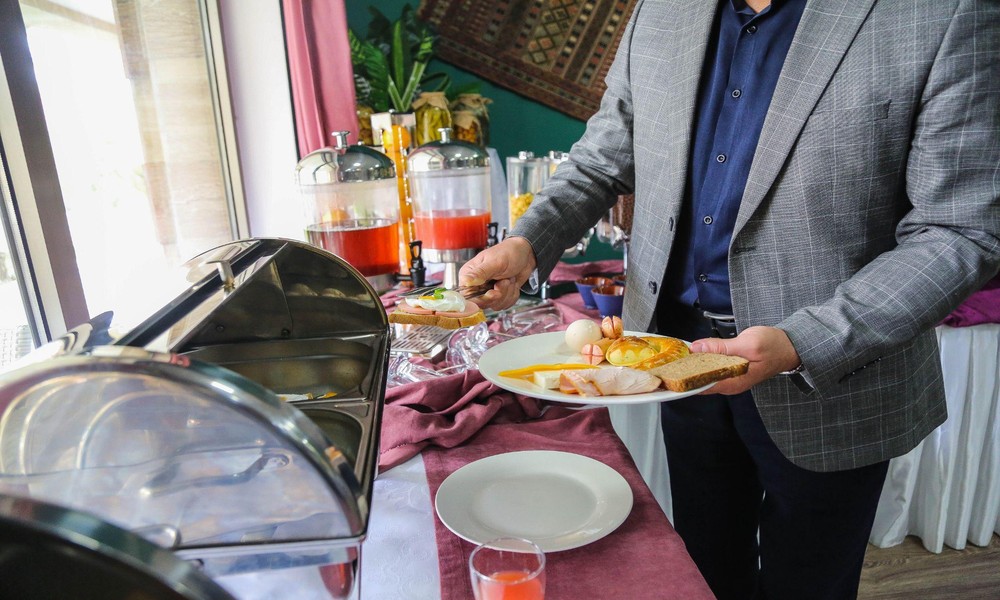
Lunch receptions prioritise speed and efficiency due to tighter venue turnaround schedules. Catering teams often recommend buffet or semi-plated formats for lunch weddings to reduce table service congestion and allow guests to self-regulate portion sizes. Wedding catering operations at lunch also limit menu variety to prevent service bottlenecks, particularly when guest counts exceed 150 pax and kitchen access is restricted.
Evening receptions provide more flexibility for formal plated service and multi-course sequences. Wedding catering teams can coordinate slower table service without disrupting venue schedules, which supports higher-end menu structures and controlled portion delivery. This instance reduces wastage and improves consistency across tables, especially for hotel ballrooms and private dining venues where service timing is strictly regulated.
Beverage Pairing and Menu Balance
Lunch menus rely less on alcohol pairing due to workplace schedules, family attendance, and religious considerations. Catering providers design lunch menus around lighter beverages, non-alcoholic options, and low-acidity dishes that do not clash with limited alcohol consumption. Wedding catering menus at lunch also prioritise hydration-friendly components to manage heat exposure and guest comfort.
Evening receptions allow for broader beverage pairing and stronger flavour profiles. Caterers design menus that complement wine, spirits, and mocktail programmes, which supports upselling opportunities within catering packages. Evening menu design also considers pacing between courses to align with speeches, programme segments, and entertainment scheduling.
Operational Constraints and Food Holding Risks
Lunch receptions face higher food holding risks due to ambient temperatures and limited service windows. Teams offering wedding catering in Singapore reduce cold-chain exposure by simplifying menu formats and limiting high-risk ingredients. Catering operations for lunch also require earlier preparation cut-offs, which affects ingredient selection and plating complexity.
Evening receptions offer longer preparation buffers and lower holding risk, allowing caterers to manage production cycles more efficiently. Wedding catering teams can execute higher-volume menus with fewer quality trade-offs during evening service.
Conclusion
Wedding catering in Singapore differs substantially between lunch and evening receptions due to guest behaviour, climate exposure, venue constraints, and service pacing. Catering providers design lighter, faster, and operationally tighter menus for lunch events, while evening receptions support heavier dishes, longer service flows, and more complex menu structures. Choosing the right menu format reduces service risk and improves guest satisfaction.
Contact Elsie’s Kitchen for a wedding catering team that plans for operations, not just presentation.