
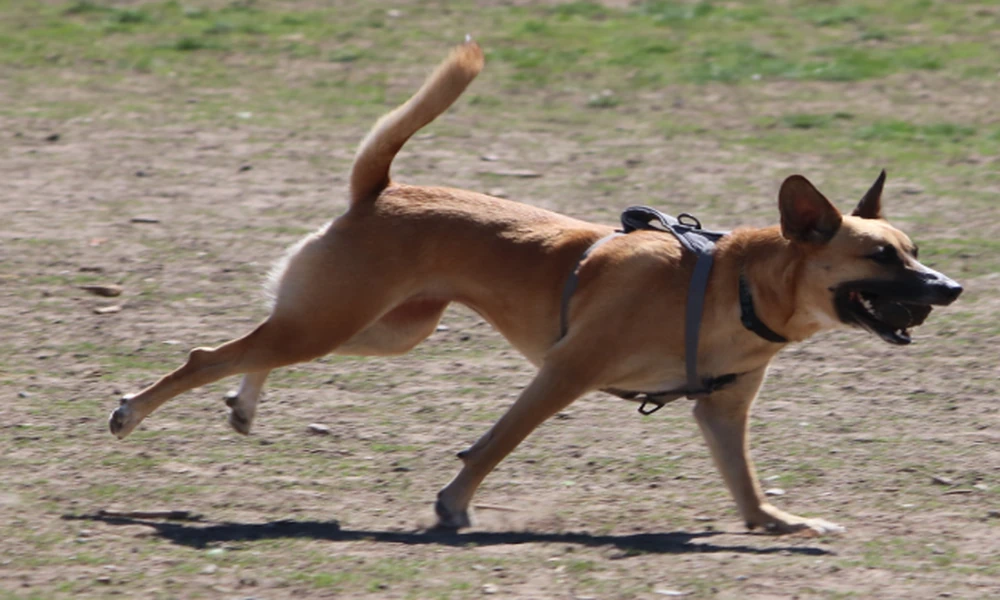
Many of the best-known working dog bloodlines come from continental Europe. Belgian Malinois, German Shepherds, and Dutch Shepherds from the Netherlands, Belgium, Germany, and the Czech Republic are prized by police forces and professional trainers, and many US and UK buyers looking for a trained protection dog end up buying one that was bred, raised, or trained abroad.
Importing a dog adds a layer of rules, paperwork, cost, and risk that buyers sometimes underestimate. Getting it wrong can mean a dog refused entry, quarantined, or returned.
Know who you’re buying from
Distance makes it harder to check a seller. You may not be able to meet the dog in person, watch it work in different settings, or visit the kennel. Buyers who import successfully usually take extra steps:
• Arrange a live video call where you direct what the dog does, rather than relying on edited clips.
• Ask for health screening results, veterinary records, and the pedigree.
• Ask for references from previous buyers in your country.
• Consider paying an independent trainer near the seller to assess the dog.
• Get a written contract covering health guarantees, what happens if the dog fails entry checks, and returns.
Be especially careful with sellers who push for fast payment by untraceable methods or can’t provide clear documentation. Pet import scams, where buyers pay for a dog and transport that never arrive, are common enough that every unusual request deserves a second look.
Entering the United States
The US Centers for Disease Control and Prevention (CDC) tightened its rules for dogs entering the country in 2024. According to the CDC’s guidance on bringing a dog into the US, the requirements depend on whether the dog has been in a country considered high-risk for dog rabies in the six months before entry, and where it was vaccinated. Dogs that have been in a high-risk country and aren’t vaccinated against rabies won’t be allowed in. Most of Western Europe isn’t on the high-risk list, but the rules still apply to every dog.
Under the current rules, all dogs entering the US must be at least six months old, have an internationally compatible microchip, and arrive with a receipt for the CDC Dog Import Form, submitted online before travel. Dogs must also meet US Department of Agriculture requirements and any rules set by the destination state, and dogs imported for resale fall under additional USDA rules.
Since the rules have changed several times in recent years, check the CDC’s current guidance before booking travel, and confirm the requirements with the airline.
Entering Great Britain
Dogs coming into Great Britain from the EU must normally be microchipped, vaccinated against rabies, and have the correct health documentation. After a dog’s first rabies vaccination, there’s a waiting period of 21 days before it can travel. Dogs entering Great Britain must also be treated for tapeworm by a vet between one and five days before arrival.
The rules differ depending on whether the move is non-commercial (for example, a dog travelling with its owner) or commercial, which includes dogs being sold or transferred to a new owner. Commercial imports involve extra steps, such as specific health certificates and pre-notification through the government’s import systems. Many buyers use a specialist pet transport company that handles the paperwork.
Northern Ireland follows different arrangements from Great Britain. Check the latest government guidance before arranging any import, as the rules have changed several times since Brexit.
Breed rules and dog law
Before buying, check that the dog’s breed or type is legal where you live. Some breeds are banned or restricted in the UK, and some US cities and states have their own restrictions. A dog that’s legal to own in its home country may not be legal in yours.
Owners in both countries are legally responsible for their dogs. A protection-trained dog that injures someone, even on private property, can lead to serious legal consequences, so insurance and legal advice are worth arranging before the dog arrives.
The journey itself
Long-distance travel is stressful for any dog. Most imports travel by air, in an approved crate, either as checked baggage, cargo, or with a specialist transport company. Some airlines restrict certain breeds, particularly in summer, because of heat risks during transport. Others have limits on crate size.
To make the journey easier, buyers can ask the seller to crate-train the dog well before travel, choose direct routes where possible, avoid the hottest months, and plan for a quiet arrival with time to settle.
Training after arrival
A dog trained in Europe has often learned commands in Dutch, German, Czech, or French. That’s not a problem, since many working dog handlers keep the original commands, but the new owner needs to learn them exactly, along with the hand signals and tone the trainer used.
Expect a period of adjustment. A dog that has changed country, home, and handler needs time to bond and to relearn its training in a new setting. The best sellers provide handler training, either in person before travel or soon after arrival, and offer support in the months that follow.
Counting the full cost
Importing adds costs on top of the purchase price: veterinary checks and certificates, microchipping and vaccinations if needed, transport and crate, airline or agent fees, possible quarantine or holding costs if something goes wrong, and handler training. It’s sensible to budget for these from the start, and for the possibility of delays.
Questions to settle before you pay
Before committing, buyers can work through a short list. Is the breed legal where I live? Do I fully understand the current import rules for my country, and who will handle the paperwork? Can I verify the dog’s health, temperament, and training independently? What happens if the dog fails entry checks or doesn’t suit my household? And what handler training and support come with the dog?
Importing a well-bred, well-trained protection dog can work out well, provided the buyer treats the paperwork and checks as seriously as the dog itself.