
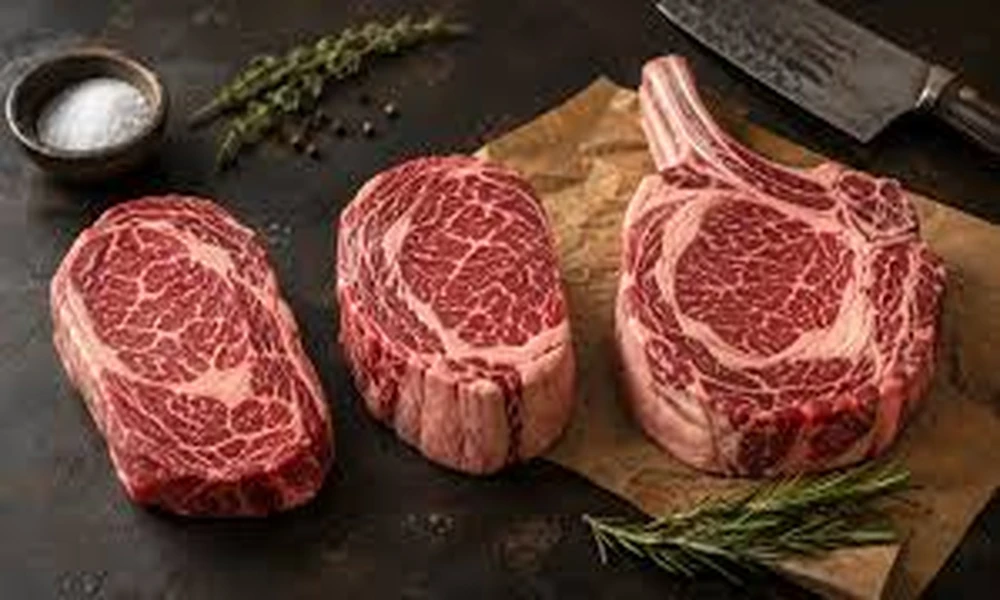
Two steaks ordered to the same doneness can still eat differently. The cut, thickness, and cooking method affect how heat reaches the center and how the outside browns. Understanding those differences helps you discuss your preferences when ordering and choose a steak you are more likely to enjoy.
At Libertango, that understanding is part of the dining experience. As an authentic Argentine steakhouse in Sandy, Utah, Libertango brings grilling traditions to the table with a menu that includes ribeye, filet, picanha, and asado de tira. The difference between a steak that feels balanced and one that feels rushed often comes down to this one idea: thickness and doneness work together, not in isolation.
Why Thickness Changes The Meaning Of Doneness
Doneness is usually described as a temperature range, but temperature alone does not tell the whole story. A thin steak can move from pink to overcooked very quickly because heat penetrates it fast. A thick steak, by contrast, gives the cook more room to build a sear on the outside while the center slowly reaches the desired point.
That difference matters because the same doneness label can produce very different eating experiences depending on the cut. A thin steak cooked to medium can be fully satisfactory if the goal is a fast, even cook with a modest crust. A thick ribeye cooked to medium can deliver a very different result, with a pronounced sear, a juicy interior, and enough time for the fat to render properly.
This is where many steak expectations get misaligned. People often ask for a doneness level without considering whether the steak is thin, thick, lean, or heavily marbled. Considering both variables helps explain the texture and temperature you can expect when ordering at Libertango.
The Physics Of Heat Is What Makes The Difference
A steak is a simple-looking food with a complicated interior. Once it hits the grill, heat begins moving from the outside inward. The rate of that movement depends on thickness, surface area, and the cut’s composition. A thin steak has less internal buffer. A thick steak has more.
Thin Cuts Reward Precision And Speed
Thin steaks can be excellent when handled carefully, but they are less forgiving. Because they cook rapidly, they can reach the target internal temperature before a proper crust develops. Or they can brown nicely on the outside and still overshoot on the inside if left too long.
That means thin cuts are often better suited to faster cooking approaches and close attention. The margin for error is small. If doneness is the only thing considered, the exterior may end up hotter and drier than intended. With a thin steak, the challenge is not just reaching the right temperature. It is doing so without sacrificing texture.
Thick Cuts Need Time To Balance Sear And Center
Thicker steaks create the opposite problem. The outside can char before the center has finished cooking if the heat is too aggressive or the cook is too brief. That is why thick cuts are often the best candidates for a deliberate grilling approach. There is room to manage the crust first, then allow the center to catch up.
This is especially important with richly marbled cuts such as ribeye. Marbling adds flavor and succulence, but it also means the fat needs time to render in a way that supports the final texture. A thick cut gives the kitchen more control over that process, which is why thickness and doneness are a shared decision rather than two separate preferences.
What Argentine Grilling Does Particularly Well
Argentine grilling, or asado, is built around respect for the cut. It does not treat every steak the same way. Instead, it responds to the shape, fat content, and character of the meat. That approach is a strong fit for a restaurant like Libertango, where the menu includes both classic steakhouse cuts and traditional specialties like picanha and asado de tira.
The value of this method is not just tradition. It is control. Proper grilling can create a caramelized exterior while preserving the interior moisture that gives steak its best texture. When the kitchen understands how thickness changes the timing, it can align the fire, the cut, and the requested doneness more intelligently.
A guest may prefer one level of doneness, but the grill still has to answer a few practical questions first:
- Is the cut thin enough that it will overcook before the crust develops?
- Is the steak thick enough to benefit from a more gradual approach?
- Does the cut have enough marbling to reward a longer window of rendering?
- Will the final texture be improved by a lighter or deeper sear?
Those questions are where technique becomes judgment. At Libertango, that judgment is central to the experience, especially for diners looking for a steakhouse in Sandy option that feels more deliberate than routine.
Different Cuts Ask For Different Solutions
Not all steaks behave the same way, even when they come from the same kitchen. The right doneness depends on the cut itself, not just personal preference.
A ribeye is usually more forgiving because marbling helps it stay juicy and flavorful through a range of doneness levels. A filet is leaner and more delicate, so overcooking it can make the texture feel flat faster. Picanha brings its own challenge because the fat cap needs thoughtful rendering. Asado de tira rewards patience because its structure is built for a more gradual, layered cook.
That is why a smart steak order is more specific than “medium.” It considers how the cut will respond to heat.
A Better Way To Think About Your Order
Instead of choosing doneness as a standalone preference, think about the full outcome you want. For example:
- If you want a pronounced crust and a juicy interior, a thicker cut usually gives more room to achieve both.
- If you want a leaner steak with a cleaner profile, the cook must protect moisture more carefully.
- If you want more rendered fat and a richer mouthfeel, the steak needs enough thickness to support that process.
- If you want speed and simplicity, a thinner cut can work, but it requires tighter control.
This is exactly the kind of practical thinking that separates a polished steakhouse experience from a generic one. Libertango’s menu and grilling style make that distinction visible on the plate.
Why This Matters To The Final Dining Experience
People usually judge steak by the first bite, but the quality of that bite is determined long before the plate arrives. If thickness and doneness are matched well, the steak eats as one coherent experience. The crust has flavor without bitterness. The center has warmth without dryness. The fat contributes richness without overwhelming the meat.
If those factors are mismatched, even a premium cut can feel less satisfying than it should. A steak can be technically cooked to the requested temperature and still feel off if the thickness was not accounted for. That is why experienced kitchens do not treat doneness as a simple checkbox.
For diners, this matters because it changes how you read the menu and how you communicate with the restaurant. A thoughtful steak order is less about sounding sophisticated and more about giving the kitchen the information it needs to deliver the best version of the cut you chose.
Libertango has received OpenTable Diners’ Choice recognition. When deciding what to order, ask the server how the cut and thickness affect the recommended doneness.
The Practical Lesson For Better Steak Orders
The simplest takeaway is also the most useful: ask about the cut and think about the thickness before locking in the doneness. That small adjustment changes everything from crust formation to juiciness to the way the fat renders. It also helps explain why two steaks with the same label can taste completely different.
If you are choosing between cuts, remember that:
- thinner steaks require tighter timing;
- thicker steaks allow more control over searing and internal temperature;
- marbling changes how forgiving a steak will be;
- Argentine grilling is especially well suited to balancing these variables.
That is the real reason steak thickness and doneness belong in the same conversation. One determines how the other behaves. When both are considered together, the result is a steak that tastes intentional instead of merely cooked.
For a closer look at Libertango’s approach to grilling and dining, visit Libertango and experience how thoughtful technique shapes the final plate.