
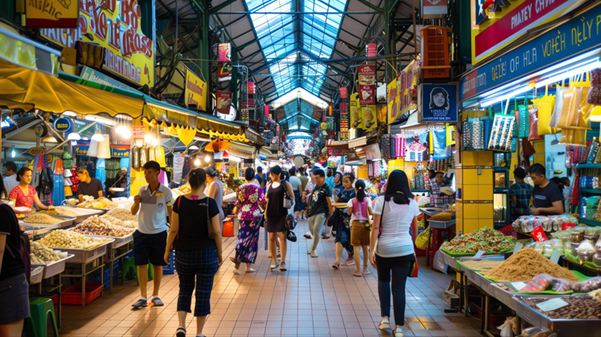
Key Takeaways
- Chinatown’s food culture naturally supports balanced eating through traditional cooking methods
- Many classic dishes rely on fresh produce, herbal broths, and lighter preparation
- Knowing what to look for makes healthy Chinatown food in Singapore surprisingly accessible
- Small ordering habits and ingredient awareness go a long way when eating out
Introduction
Mention Chinatown and many people picture rich sauces, roast meats, and generous portions. It sounds indulgent, maybe even heavy. Yet wander through Chinatown Singapore with a curious eye, and a different story appears. Beneath the bold flavours sits a food culture shaped by practicality, balance, and respect for ingredients.
Healthy eating here is not a modern trend or a clever marketing angle. It is woven into how dishes were designed in the first place. That is why healthy Chinatown food in Singapore is easier to find than most people expect, once the assumptions are set aside.
Old-School Cooking, Sensible by Design
Many Chinatown recipes were born in home kitchens, not restaurants. Meals needed to be filling without wasting ingredients or time. That mindset shows. Steaming, braising, poaching, and quick stir-frying dominate the menu, which keeps oils controlled and flavours clean.
Clear soups with leafy greens, tofu-based dishes, and herbal broths are everyday staples rather than niche options. These methods let ingredients speak for themselves, reducing the need for heavy seasoning. It feels almost accidental, but that restraint is exactly why healthy Chinatown food in Singapore has stood the test of time.
Ingredients That Do the Heavy Lifting
Take a closer look at what goes into many dishes. Bitter gourd, Chinese spinach, lotus root, mushrooms, and various herbs appear again and again. These are not garnish-level additions. They are the backbone of the meal.
Protein choices tend to be practical, too. Fish slices, lean pork, eggs, and tofu show up more often than deep-fried cuts. Even when meats are used, they are usually paired with vegetables in a way that keeps portions sensible. It is comfort food, yes, but with a quiet sense of moderation.
Hawker Centres Are More Flexible Than They Look
One underrated feature of Chinatown hawker stalls is how adaptable they can be. Many vendors are happy to tweak small details. Less sauce, more vegetables, noodles swapped for rice, or soup instead of dry versions. These are simple requests, not awkward ones.
This flexibility makes healthy Chinatown food in Singapore approachable even for those watching sodium or oil intake. It is less about strict rules and more about knowing how to order. A small change here and there shifts the entire meal.
The Herbal Angle That Often Gets Missed
Traditional Chinese food culture places value on balance within the body. That philosophy shows up through herbal soups, cooling teas, and ingredient pairings meant to support digestion or energy levels. It might sound old-fashioned, but many of these choices line up neatly with modern nutrition ideas.
Double-boiled soups, for instance, are deeply flavourful without relying on fat. They also encourage slower eating, which helps with portion control. In a way, Chinatown was talking about mindful eating long before the term became fashionable.
Healthy Does Not Mean Boring
There is a lingering belief that eating well equals bland food. Chinatown quietly disproves that idea daily. Ginger, garlic, fermented sauces, and dried seafood add depth without excess. The result is food that feels satisfying rather than restrictive.
This is why healthy Chinatown food in Singapore appeals even to those who are not actively trying to eat “clean”. The flavours hold their own, so health becomes a bonus, not the main selling point.
Learning to See the Menu Differently
The shift often starts with perspective. Instead of scanning for what to avoid, it helps to look for what already fits. Soups before fried items. Vegetable-forward dishes first, meats second. Shared plates instead of individual oversized portions.
Once that habit forms, Chinatown becomes one of the most forgiving places to eat well while still enjoying the social side of food. Meals feel communal, relaxed, and grounded in tradition.
Conclusion
Chinatown’s reputation for indulgence only tells half the story. Beneath it lies a food culture built on balance, practicality, and respect for ingredients. That foundation makes healthy Chinatown food in Singapore far more common than expected, especially for those willing to look past surface impressions.
With a little awareness and curiosity, eating well here feels natural rather than forced. For more lifestyle content, visit Taste of SG to get the latest piece.