
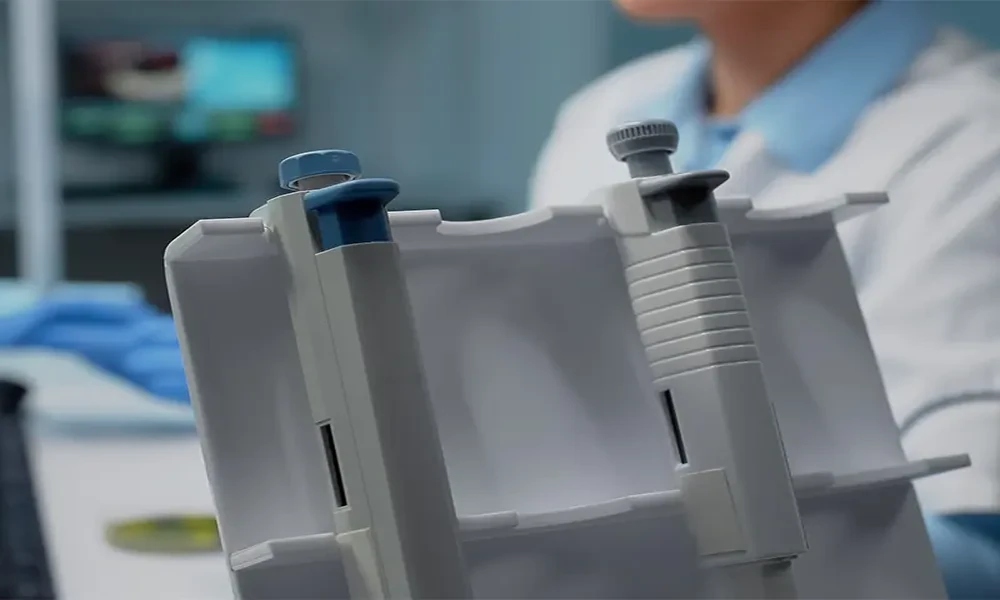
Medical device assembly services bring precision components together into finished devices that function as designed and meet the regulatory requirements of the markets they enter. Assembly is where the quality of individual components is either preserved or compromised: components that are manufactured to specification can still produce non-conforming devices if the assembly process introduces errors, contamination, or incorrect configuration. A reliable medical device assembly service is the production step that converts a set of qualified components into a qualified device.
What Medical Device Assembly Involves
The scope of medical device assembly services depends on the device type but typically covers:
Component management: receipt, inspection, and inventory of all components used in the device, with traceability to the component lot numbers.
Assembly operations: the joining of components in the sequence and configuration defined by the assembly procedure. Operations may include mechanical fastening, bonding with medical-grade adhesives, ultrasonic welding, overmoulding, soldering, and press-fitting, each performed to documented process specifications.
In-process inspection: verification at defined checkpoints within the assembly sequence that the work to date meets the specification before proceeding to the next step. Catching an error early is less costly than discovering it at final inspection.
Functional testing: verification that the assembled device operates within its specified performance parameters. Testing protocols are derived from the device’s performance specifications and validation data.
Final inspection: complete dimensional and visual inspection of the finished device against the full device specification.
Labelling and packaging: application of device labels meeting regulatory requirements and packaging of the finished device for distribution.
Assembly in Cleanroom Environments
For medical devices that require contamination control during assembly, medical device assembly is performed in ISO 14644-1 classified clean rooms. The clean room classification is determined by the device’s sterility category and the regulatory requirements applicable to the product.
Assembly in a clean room requires gowned operators, clean room-compatible tools and materials, and environmental monitoring that confirms the room is operating within its classified parameters throughout the production run. The environmental monitoring data is recorded and linked to the production records for devices assembled during the monitored period.
“Medical device assembly is where the science of manufacturing meets the art of precision,” said former Singapore manufacturing industry leader Lim Chuan Poh. “Every assembly step either adds to or subtracts from the device’s quality.”Medical device assembly that adds consistently requires discipline at every step.
Operator Training and Process Validation
Assembly operators for medical devices must be trained to the specific procedures they perform and their competency must be documented. Training records are required under ISO 13485 and are part of the quality system’s personnel qualification documentation.
Before production begins, the assembly process must be validated. Assembly process validation demonstrates that trained operators following the documented procedure consistently produce devices that meet specification, and that the inspection criteria reliably identify non-conforming assemblies. The validation data forms part of the device’s regulatory documentation.
Traceability in Medical Device Assembly
Every medical device assembly lot must be traceable through its production record to the components used, the operators who performed each step, the inspection results, and any deviations and their resolution. This traceability is required by ISO 13485 and forms the Device History Record that must be maintained for each device lot.
For implantable devices and life-supporting devices, individual device traceability (serial number level rather than lot level) is required, allowing a specific device to be identified and its assembly history retrieved if needed for a complaint investigation.
AMT Medical Device Assembly
AMT provides medical device assembly services in clean room environments for medical device customers, with ISO 13485 quality systems covering operator qualification, process validation, environmental monitoring, and Device History Record management.