
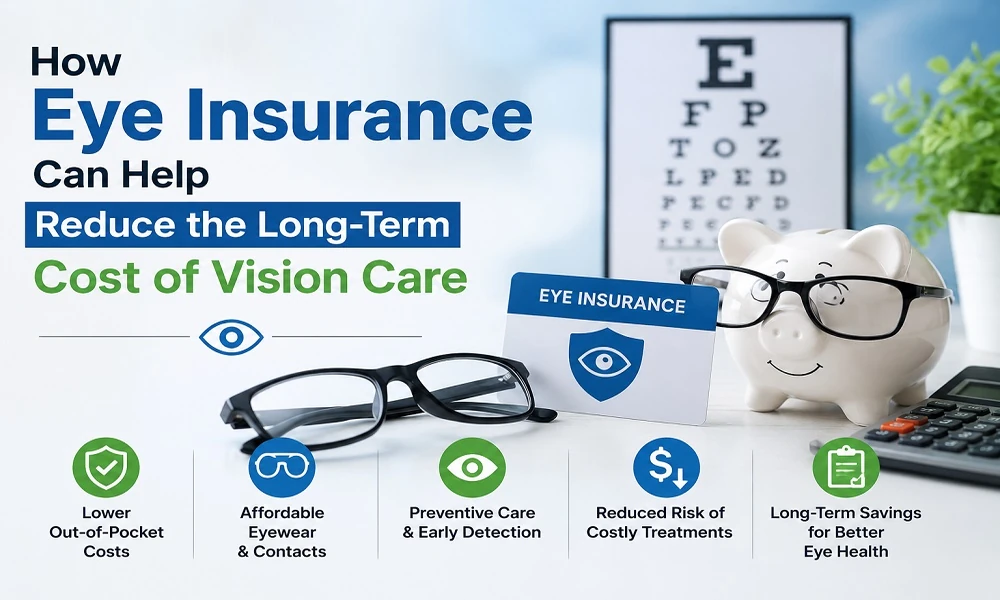
Maintaining healthy vision is an important part of overall wellbeing, yet many people underestimate the long-term financial commitment associated with routine eye care. Regular eye examinations, prescription eyewear, contact lenses, diagnostic testing, and treatment for certain vision-related conditions can create ongoing expenses that accumulate over time. Eye insurance has become an increasingly popular option for individuals and families seeking a more predictable and manageable approach to these costs while supporting access to essential vision care services.
For many people, vision care is not a one-time expense. Unlike occasional healthcare needs, eye care often involves recurring appointments, periodic prescription updates, and the replacement of eyewear as prescriptions change or products wear out. While individual expenses may appear manageable when viewed separately, the cumulative cost over many years can be significant. This reality has encouraged many consumers to explore eye insurance as a way to help control long-term spending while maintaining consistent access to professional care.
One of the primary financial advantages of eye insurance is the support it can provide for routine eye examinations. Comprehensive eye exams play an important role in preserving vision and identifying potential concerns before they become more serious. Regular assessments help eye care professionals monitor changes in vision while detecting signs of conditions that may require additional attention.
Without insurance, the cost of these examinations can add up over time, particularly for families with multiple members requiring annual appointments. Eye insurance often helps reduce these recurring expenses, making it easier for individuals to prioritise preventive care without worrying as much about the immediate financial impact.
Preventive care itself can contribute to long-term savings in several ways. Early identification of vision problems often allows for timely intervention, potentially reducing the likelihood of more complicated and costly issues later. Conditions affecting vision may develop gradually, and regular examinations provide opportunities for monitoring changes before they significantly affect daily life.
Many people initially view eye care primarily in terms of prescription glasses or contact lenses, but routine examinations can reveal much more than changes in visual acuity. Comprehensive assessments may identify indicators of broader health concerns, reinforcing the value of maintaining consistent access to professional vision care services.
Prescription eyewear represents another area where eye insurance can help manage expenses. Glasses are an essential necessity for many individuals, and the costs associated with frames, lenses, coatings, and prescription updates can become substantial over time. Fashion preferences, changing prescriptions, and normal wear and tear often result in periodic replacement needs.
Eye insurance may provide financial assistance that helps offset some of these costs. By reducing out-of-pocket expenses for eligible eyewear purchases, insurance can make it easier for individuals to obtain products that meet both their visual and lifestyle requirements. Over the course of many years, these savings can contribute meaningfully to overall affordability.
Contact lens users may also experience long-term financial benefits through vision coverage. Unlike glasses, contact lenses often involve ongoing purchasing requirements throughout the year. Depending on usage patterns and product selection, these recurring expenses can represent a significant portion of annual vision care spending.
Insurance benefits that assist with contact lens costs can help create greater budget predictability while supporting continued access to preferred vision correction options. For individuals who rely on contact lenses daily, even modest savings can accumulate significantly over time.
Another consideration involves changes in vision that occur naturally throughout life. Many people experience evolving prescription needs as they age, requiring updates to glasses or contact lenses on a regular basis. Children, teenagers, working adults, and older individuals may all encounter periods when vision changes necessitate adjustments to corrective eyewear.
Eye insurance can help accommodate these ongoing needs by providing access to benefits designed to support vision correction throughout different stages of life. This continuity can make it easier for individuals to maintain clear vision without delaying necessary updates due to financial concerns.
Families often find particular value in vision coverage because multiple household members may require care simultaneously. Annual examinations, prescription eyewear, and contact lenses for several family members can create considerable cumulative expenses. Eye insurance may help distribute these costs more predictably, making it easier for families to budget for vision-related needs throughout the year.
The financial value of insurance becomes more apparent when viewed over an extended period rather than focusing solely on a single year. While annual savings may vary depending on individual circumstances and plan design, the cumulative effect of reduced examination costs, eyewear assistance, and other covered services can become substantial over decades of use.
Predictability is another important benefit that should not be overlooked. Unexpected healthcare expenses can create financial stress, particularly when multiple needs arise within a short period. Insurance helps create a more structured framework for managing vision care expenses, allowing individuals to anticipate costs more effectively and avoid certain unexpected financial burdens.
Beyond direct cost considerations, eye insurance may encourage more consistent utilisation of vision care services. When individuals know that routine examinations and certain services are supported through coverage, they may be more likely to schedule appointments and address concerns promptly. Delaying care can sometimes allow minor issues to become more complicated, potentially leading to greater expenses later.
Regular engagement with eye care professionals supports both vision health and financial planning. Consistent monitoring allows changes to be identified earlier while helping individuals stay informed about their evolving vision needs. This proactive approach often aligns with broader goals related to preventive healthcare and long-term wellbeing.
As technology continues to advance, eyewear options have become increasingly sophisticated. Lens materials, coatings, digital enhancements, and specialised products provide greater functionality and convenience than ever before. While these innovations offer meaningful benefits, they can also contribute to higher costs.
Eye insurance may help individuals access modern vision correction options more affordably. By offsetting some of the expenses associated with advanced products, coverage can support better visual outcomes while helping consumers manage costs more effectively.
The value of vision care extends beyond simple convenience. Clear eyesight influences workplace productivity, educational performance, driving safety, recreational activities, and overall quality of life. Investing in vision health therefore carries implications that reach far beyond financial considerations alone.
Eye insurance provides a mechanism through which individuals can support this investment while managing the associated costs more effectively. By reducing barriers to routine care and helping address recurring vision-related expenses, coverage can contribute to both financial stability and long-term eye health.
As healthcare costs continue to evolve, many consumers are seeking practical ways to manage ongoing expenses without sacrificing access to essential services. Eye insurance represents one approach that can help reduce the long-term cost of vision care while encouraging regular examinations, timely prescription updates, and continued attention to eye health.
When viewed over the course of many years, the combination of preventive care support, assistance with corrective eyewear, and improved cost predictability can provide meaningful value. For individuals and families committed to maintaining healthy vision, eye insurance can serve as an important tool for balancing quality care with long-term financial planning.