
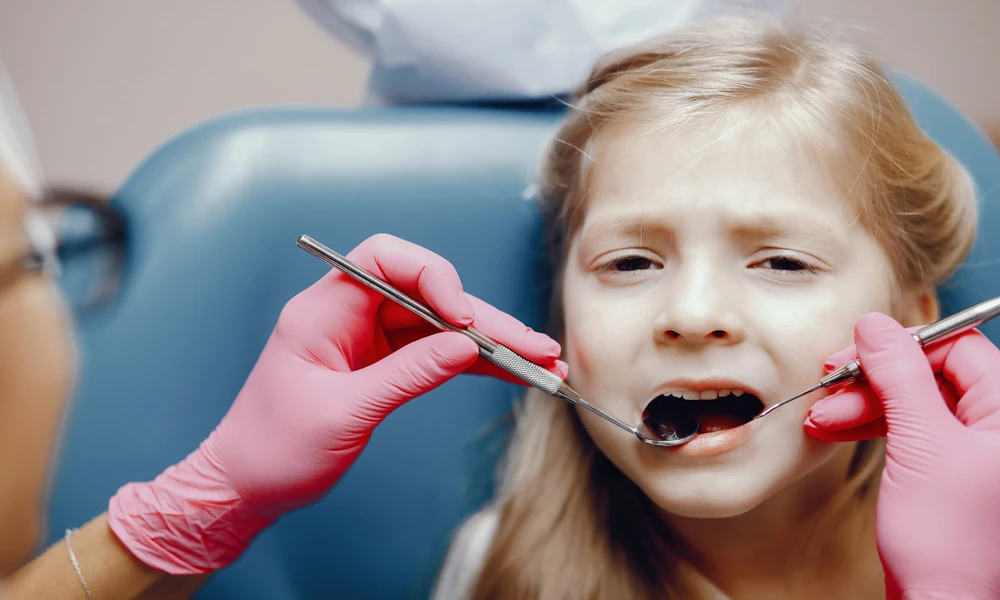
You notice the sore when your child winces at dinner, skips orange slices they usually love, or says their toothpaste burns. Then it happens again a few weeks later, maybe in a different spot, maybe worse than last time. Recurring mouth sores can wear down both kids and parents, which is why many families turn to experienced pediatric dentists in West Los Angeles. They hurt, they interrupt eating and sleeping, and they leave you wondering whether this is just a canker sore or a sign of something else.
That uncertainty is usually the hardest part. Many mouth sores in children are harmless and heal on their own, but when they keep coming back, a pediatric dentist looks beyond the sore itself. The goal is to figure out the pattern, rule out infection, trauma, and underlying health issues, and help your child get relief without guesswork.
Pediatric dentists look for patterns, triggers, and signs that a sore is not simple
When a child has repeat sores, the first step is usually a close history. A pediatric dentist will want to know how often the sores appear, how long they last, where they show up, whether they come with fever or swollen glands, and whether eating, brushing, or stress seems to trigger them. That timeline matters. A single sore after biting the cheek is different from painful ulcers that return every month.
Many recurring sores are aphthous ulcers, often called canker sores. They are common in children and can be linked to stress, minor injury, certain foods, and family history. Nationwide Children’s explains canker sores in children in a way that matches what many parents see at home, small round ulcers with a white or yellow center and a red border that make normal meals feel like a chore.
A pediatric dentist also checks whether the sores fit the pattern of aphthous stomatitis. CHOP’s overview of aphthous stomatitis notes that these ulcers often recur and are not contagious. That helps narrow the list, but it does not end the evaluation. If the sores are large, slow to heal, clustered, or paired with fatigue, stomach pain, diarrhea, rashes, or weight loss, the picture changes.
This is where parents often feel stuck. You do not want to overreact to something common, but you also do not want to miss a bigger issue. A pediatric dentist is trained to sort out that difference. During the exam, they look at size, shape, number, location, and healing stage. They also check for sharp teeth, broken fillings, orthodontic irritation, dry mouth, plaque buildup, and signs of viral or fungal infection. The American Academy of Pediatric Dentistry guidance on oral pathology and surgery supports this broader approach, especially when lesions persist, recur, or do not match a routine pattern.
Recurring mouth sore evaluation in children often extends beyond the mouth
Sometimes the sore is the clue, not the whole problem. Recurrent ulcers may be linked to nutritional deficiencies such as low iron, folate, or vitamin B12. In some children, food sensitivities, immune conditions, gastrointestinal disease, or frequent stress play a role. That does not mean every sore points to a serious diagnosis. It means a good evaluation asks whether the mouth is reflecting something happening elsewhere.
A child who gets one small sore after accidentally scraping the inside of the lip usually needs comfort care and time. A child who gets several ulcers every few weeks, avoids food because of pain, and seems run down may need a dental exam plus a conversation with their pediatrician. If a sore lasts more than two weeks, bleeds easily, spreads, or comes with fever, that urgency rises.
Children’s mouth ulcer assessment also includes practical details that can easily get missed at home. New toothpaste with sodium lauryl sulfate, frequent acidic snacks, mouth breathing, and braces can all make the tissue more vulnerable. When a sore keeps returning in the exact same spot, local trauma often moves higher on the list.
Home observation and pediatric dental care serve different roles
| Situation | Home Observation | Pediatric Dental Evaluation |
|---|---|---|
| One small sore after cheek bite | Track for 7 to 14 days, offer bland foods, avoid acidic foods | Usually not needed unless it worsens or does not heal |
| Sores that return every month | Note timing, foods, stress, and pain level | Exam for pattern, trauma, oral irritants, and need for referral |
| Large or multiple ulcers | Monitor hydration and eating | Assessment for aphthous ulcers, infection, or systemic causes |
| Sore lasting more than 2 weeks | Do not wait it out repeatedly | Prompt oral exam and possible coordination with pediatrician |
| Sores with fever, rash, weight loss, or stomach issues | Record all symptoms | Dental evaluation plus medical follow up for broader causes |
Pediatric oral sore evaluation focuses on relief and prevention
Once the likely cause is clearer, treatment gets more useful. If the sore pattern fits common canker sores, care may include pain relief, a protective topical product, changes in toothpaste, and advice on foods to avoid during flare ups. If braces or a rough tooth are part of the problem, fixing that source matters more than repeatedly treating the sore after it appears.
If the exam suggests something outside routine dental care, the next step may be referral. That could mean your child’s pediatrician, a gastroenterologist, or another specialist depending on the symptoms. Good care is not just naming the lesion. It is connecting the dots early enough to spare your child repeated pain and you repeated worry.
Three steps you can take right away
Start a sore log. Write down when each sore starts, where it appears, how long it lasts, what your child ate before it showed up, and whether there were other symptoms like fever or stomach pain. Photos help. Patterns are easier to spot when they are not relying on memory.
Reduce common irritants. Offer soft, bland foods during flare ups. Skip citrus, spicy snacks, and sharp foods like chips. Check for a rough toothbrush, lip biting, or toothpaste that seems to sting. Small changes can lower pain fast.
Book an exam when the pattern repeats. If sores keep returning, last more than two weeks, or come with other symptoms, schedule a visit with a pediatric dentist. A fresh sore is often easier to evaluate than one that is already healing.
When your child keeps getting mouth sores, you are not being overly cautious by paying attention. You are responding to a pattern that deserves a closer look. How pediatric dentists evaluate recurring mouth sores in kids comes down to something simple and reassuring. They look at the sore, the mouth, and the child as a whole, then they decide whether this is a common cycle that needs better relief or a sign that more evaluation is needed. If the sores keep coming back, reach out to a pediatric dentist and get clear answers.