
Stress is often treated as something to push through. A full calendar, constant messages, poor sleep, and emotional pressure can make the body feel as if it is always preparing for impact. Over time, that pressure can show up as shallow breathing, tight muscles, racing thoughts, low energy, or a sense of being disconnected from the present moment.
This is where meditation becomes more than a wellness trend. It becomes a simple return to the body.
Op e n offers a premium breathwork and meditation program designed for people who want to feel grounded, clear, and more present in daily life. For beginners, meditation for stress can be a gentle way to pause, breathe, and support the nervous system without needing complex techniques or long sessions.
Understanding Stress and the Nervous System
The nervous system is constantly reading the world for signals of safety or threat. When stress rises, the body may shift into a heightened state. The breath becomes shorter. The heart rate may increase. The mind may jump from one concern to the next.
This response is useful in real danger. But modern life can keep it switched on for too long. Meditation helps create space between stimulus and reaction. It invites the body to slow down. It gives the mind one clear place to rest.
According to the National Center for Complementary and Integrative Health, meditation and mindfulness practices have been studied for their potential role in helping people manage stress, anxiety, depression, pain, and overall quality of life. The American Psychological Association also notes that mindfulness meditation may support positive changes in mental and physical health.

Why Meditation Helps Beginners Feel Calmer
Many beginners believe meditation means stopping every thought. That idea can make the practice feel difficult before it even begins. In truth, meditation is not about forcing the mind to become empty. It is about learning to notice what is happening with steadiness.
A beginner may start by sitting comfortably and observing the breath. When the mind wanders, the practice is to return. Again and again. This repeated return builds awareness. It also trains the body to recognize calm as something available, not distant.
With time, meditation may help people respond to stress with more patience. A stressful email may still arrive. A difficult conversation may still happen. But the body can learn not to meet every moment with tension.
The Role of Breathwork in Stress Relief
Breath is one of the most direct ways to influence the stress response. When breathing is fast and shallow, the body often feels alert. When breathing becomes slower and more controlled, the body receives a signal that it can soften.
Op e n brings breathwork and meditation together in a refined, accessible way. This combination helps users move from mental noise into physical awareness. A few minutes of intentional breathing can help settle the mind before meditation begins.
This is especially helpful for beginners. Instead of trying to sit still with a restless mind, they can use the breath as an entry point. The breath becomes a bridge from stress to presence.

A Simple Beginner’s Practice
A calm practice does not need to be long. It needs to be consistent.
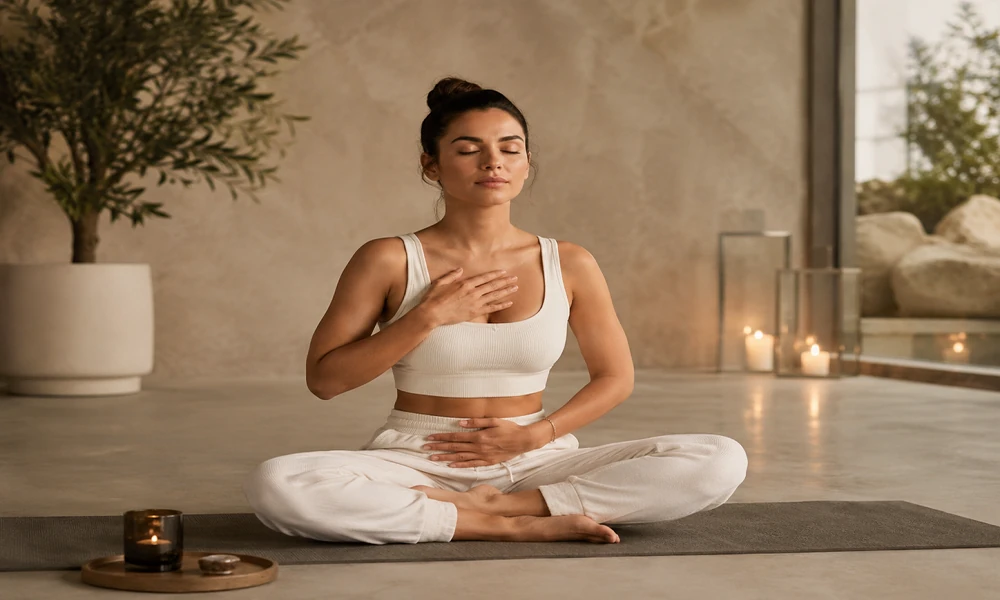
Start by choosing a quiet place. Sit upright but relaxed. Let the shoulders drop. Close the eyes or soften the gaze. Take one slow breath in through the nose. Exhale gently. Then allow the breath to find a natural rhythm.
Notice where the breath is easiest to feel. It may be the chest, belly, or nose. Stay with that sensation. When thoughts appear, do not fight them. Notice them, then return to breathing.
Even five minutes can be enough to create a shift. The goal is not perfection. The goal is regulation, awareness, and a kinder relationship with the mind.
Making Meditation Part of Daily Life
Stress relief becomes more powerful when meditation is practiced before stress becomes overwhelming. A short morning session can help set the tone for the day. A midday pause can reset the body. An evening practice can help the nervous system transition out of work mode.
Op e n supports this rhythm by offering guided experiences that feel elevated yet approachable. The program is designed for modern lives, where people need practices that are simple, beautiful, and easy to return to.
The more often the body experiences calm, the easier it becomes to access it. Meditation does not remove life’s challenges. It changes how the body meets them.
Why Op e n Is a Premium Choice for Mindful Living
Op e n is built for people who want more than a basic wellness habit. It offers a considered approach to breathwork, meditation, and nervous system care. The experience feels intentional, clean, and deeply human.
For a global audience, this matters. Stress is not limited to one lifestyle or location. People everywhere are looking for ways to feel more balanced, more rested, and more connected. Op e n gives them a place to begin.

Through guided meditation, breath-led sessions, and a premium digital experience, Op e n helps users create a practice that fits real life.
Final Thoughts
Stress may be common, but living in constant tension does not have to feel normal. Meditation offers a quiet way back to steadiness. It asks for only a few minutes, a willing breath, and the patience to begin again.
For beginners, the first step is simple: pause, breathe, and listen.
Those ready to explore a more grounded way of living can visit Op e n, join the program, and begin building a calmer relationship with the mind and body.
FAQ
FAQ 1: What is meditation for stress?
Answer: Meditation for stress is a simple practice that helps people slow down, focus on the breath, and become more aware of thoughts and body sensations during stressful moments.
FAQ 2: Can beginners practice stress meditation?
Answer: Yes. Beginners can start with just five minutes of quiet breathing or guided meditation. The practice does not require experience or advanced technique.
FAQ 3: How does breathwork support stress relief?
Answer: Breathwork may help the body shift from a tense, alert state into a calmer rhythm by encouraging slower, more intentional breathing.
FAQ 4: How often should someone meditate for stress?
Answer: A short daily practice is often more helpful than an occasional long session. Even five to ten minutes a day can support consistency.
FAQ 5: What does Op e n offer?
Answer: Op e n offers a premium breathwork and meditation program designed to help users feel calmer, more present, and more connected through guided practice.