
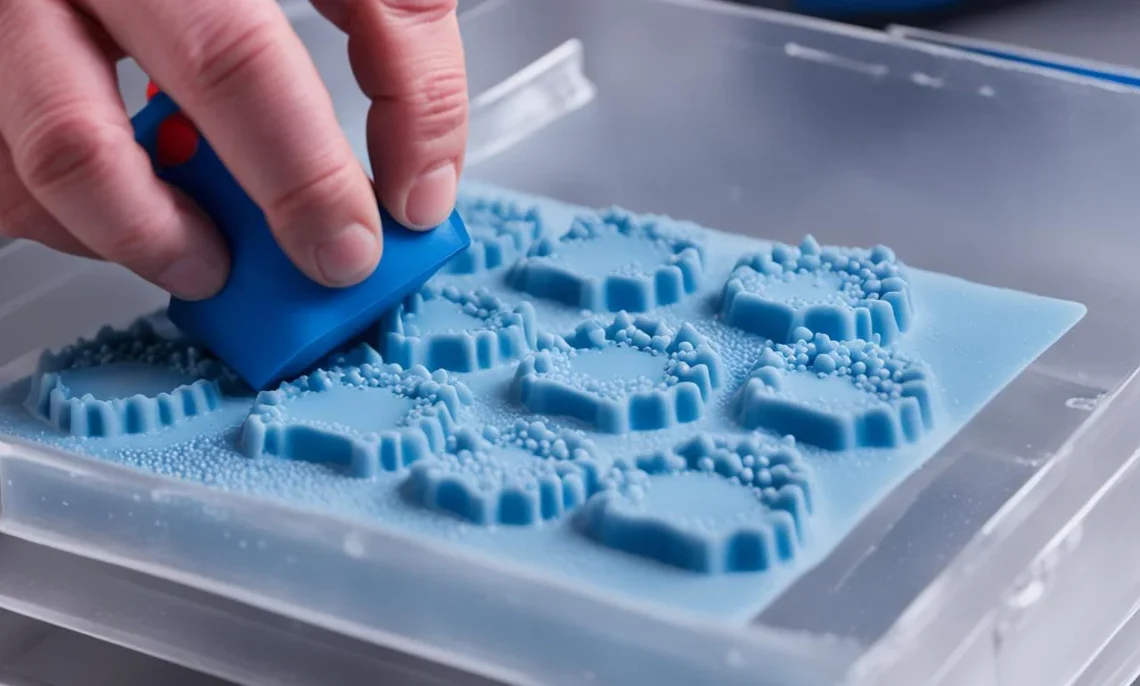
In the world of manufacturing, prototyping, and artisanal crafts, the success of a finished product depends heavily on the quality of its mold. Traditional mold-making materials often present challenges, such as rigid structures that crack under pressure or porous surfaces that ruin fine details.
This is why silicone rubber has emerged as the industry standard for both industrial designers and hobbyists alike. Its unique chemical properties offer an optimal balance of flexibility, strength, and precision that other materials simply cannot replicate.
1. Unparalleled Precision and Fine Detail Capture
One of the primary reasons professionals turn to silicone rubber is its exceptional ability to replicate intricate surfaces. When poured over a master model, liquid silicone flows into the microscopic crevices, capturing textures, fine lines, and complex geometries with absolute accuracy.
This makes it indispensable for high-detail applications like architectural restoration, industrial prototyping, and fine art replication. Unlike rigid plaster or wood molds, silicone ensures that the final cast is an exact replica of the original model, minimizing the need for extensive post-processing or manual corrections.
2. Superior Flexibility and Effortless Demolding
Demolding is often the most critical phase of the casting process, where a rigid or brittle mold can easily damage a fragile cast. Silicone rubber possesses high tear strength and elasticity, allowing it to stretch and bend without losing its original shape.
This flexibility is particularly beneficial when dealing with complex undercuts or deep cavities. Users can effortlessly peel the mold away from the cured casting material, drastically reducing the risk of breakage. Consequently, production cycles become faster, and the rejection rate of damaged pieces drops significantly.
3. Exceptional Compatibility with Diverse Casting Materials
A common bottleneck in production is the need for different mold materials for different projects. Silicone rubber solves this issue by being highly chemical-resistant and inert, making it compatible with a vast array of casting mediums.
Whether you are pouring exothermic polyurethane resins, heavy concrete, plaster, wax, or soap bases, a high-quality silicone mold can handle the job. This multi-material compatibility allows workshops to streamline their inventory and use a single mold design for diverse product lines, ranging from industrial components to decorative home goods.
4. Extended Mold Longevity and Reusability
Investing in quality tooling is essential for long-term cost efficiency. Silicone molds are known for their exceptional durability and resistance to environmental degradation. They can withstand repeated casting cycles without warping, shrinking, or losing structural integrity.
With proper care, cleaning, and storage, a single silicone mold can be reused hundreds of times. This durability provides a remarkable return on investment, significantly lowering the cost per part in short-run manufacturing and batch productions.
5. High Thermal and Chemical Resistance
During the curing process, many casting materials-especially certain epoxy and polyurethane resins-undergo an exothermic reaction that generates significant heat. Silicone rubber naturally exhibits excellent thermal stability, allowing it to endure these temperature spikes without degrading.
Furthermore, its resistance to mild chemicals and corrosive agents ensures that the mold surface remains intact even after prolonged exposure to aggressive casting compounds. This resistance prevents the mold from becoming brittle or sticky over time.
6. Smooth Surface Finish for Flawless Casts
The surface quality of the mold directly dictates the surface quality of the final product. Liquid silicone cures into a non-porous, glassy, or matte finish depending on the master model, transferring a perfectly smooth texture to the cast.
By eliminating surface imperfections and tiny air pocket marks on the mold surface, the final products require far less sanding, polishing, or detailing. This smooth finish is vital for items that require a high-quality visual appearance, such as jewelry, clear resin art, and consumer goods.
7. User-Friendly Application for All Skill Levels
Despite its professional-grade results, silicone rubber is remarkably straightforward to use. Most formulas feature a simple two-part mixing ratio by weight or volume, making the preparation process highly accessible.
After mixing the base and catalyst, the liquid can be poured smoothly over the original model to cure at room temperature. This ease of use makes it an ideal choice for DIY hobbyists working on weekend projects, as well as industrial engineers operating in advanced fabrication labs.
How to Select the Ideal Silicone Rubber Grade
Achieving optimal results requires matching the specific properties of the silicone to your project demands. The most critical factor to consider is Shore Hardness, which measures the rigidity of the cured rubber.
Low Shore Hardness (Shore A 10-15): Ideal for delicate, highly detailed items that require maximum stretch during demolding.
Medium to High Shore Hardness (Shore A 30-40): Provides the structural rigidity needed for large, heavy-duty concrete or resin casts.
Additionally, factors like viscosity, pot life, and cure time should align with your workshop’s operational workflow. Choosing the correct formulation prevents issues like air bubble entrapment or premature curing during the pouring phase.
Silicone rubber remains a cornerstone material in modern mold making due to its versatility, accuracy, and ease of use. By selecting the appropriate grade for your specific application, you can significantly enhance production quality, minimize waste, and accelerate your manufacturing timeline.
For creators and businesses looking to source reliable materials, choosing a specialized supplier like Supersilicon ensures access to premium ยางซิลิโคน (Silicone rubber) formulations tailored for everything from artistic resin crafts to demanding industrial projects. Selecting the right material partner is the final step in transforming creative concepts into flawless, tangible realities.