
Key Highlights
- Initial consultations focus on assessing airway obstruction and jaw health to determine suitability for oral appliance therapy.
- Diagnostic data, such as digital scans or physical impressions, guides the creation of a custom-fitted mandibular advancement splint.
- The fitting appointment involves checking the appliance for comfort, retention, and optimal jaw positioning.
- Periodic adjustments are necessary to ensure the device continues to manage airway patency as oral structures adapt.
- Coordinating airway management with restorative treatments, such as composite veneers, requires a stable bite to ensure long-term durability.
Introduction
Seeking treatment for sleep apnea is an important step toward better health. For many individuals, dental professionals play a critical role in managing mild to moderate conditions by providing custom-made oral appliances. These devices, often known as mandibular advancement splints, are designed to hold the jaw in a forward position, which helps to keep the airway open during sleep. Understanding the consultation and fitting process helps demystify the journey toward restful sleep and more positive respiratory health.
The Consultation Phase
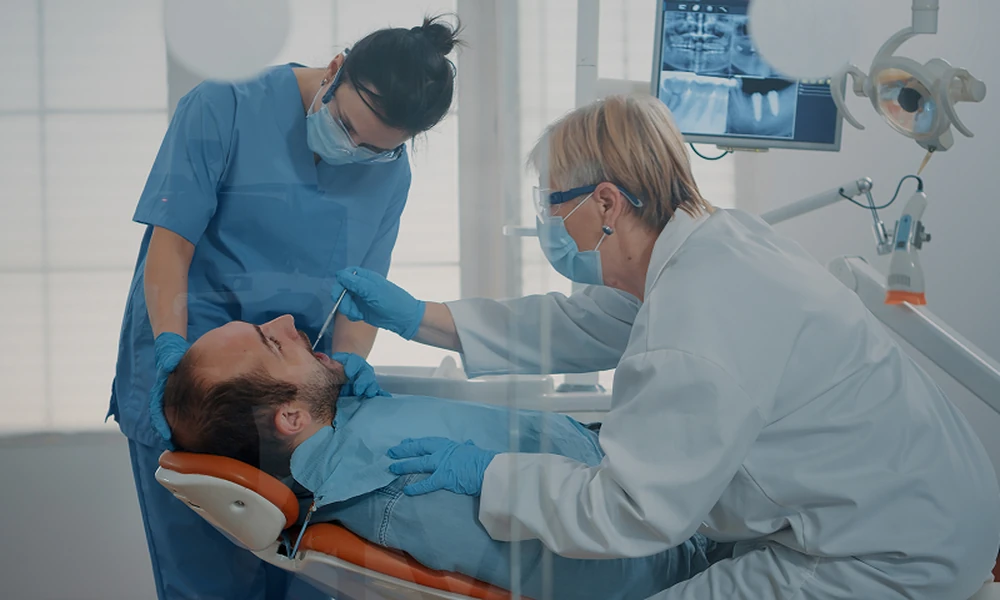
The process begins with a comprehensive dental assessment. During your first visit, the dentist will review your medical history, specifically focusing on symptoms related to sleep quality, such as snoring, morning headaches, or daytime fatigue. The clinical team will examine the anatomy of your mouth, including the tongue, soft palate, and jaw alignment.
This assessment is vital for determining whether a dental approach is appropriate. The practitioner evaluates the severity of the obstruction and assesses whether your oral structure can support a device. They will also look for signs of teeth grinding or jaw clenching, which often accompany breathing difficulties.
The Diagnostic and Diagnostic Imaging Phase
If the dentist determines that oral appliance therapy is suitable, the next stage involves gathering diagnostic information. Modern dental practices utilise high-resolution digital scanners or traditional impressions to create an accurate model of your teeth and jaw. This step is essential because a splint must be precise to be effective.
Beyond surface impressions, the dentist may record your bite registration. This process involves capturing the relationship between your upper and lower teeth when the jaw is in a slightly protruded position. This position is calculated to balance the need for airway patency with the comfort of your jaw joints.
The Splint Fitting Appointment
Once your custom splint is fabricated in the laboratory, you will return for the fitting. This is not merely a handover of the device; it is a clinical appointment designed to ensure efficacy and comfort. The dentist will place the splint in your mouth to verify that it fits securely against your teeth.
During this visit, the dentist will check for pressure points that might cause discomfort. They will also educate you on how to insert and remove the appliance, as well as how to clean and store it properly. You will be instructed on how to observe your sleep quality and note any adjustments in symptoms over the following weeks.
Adjustments and Ongoing Monitoring
A mandibular advancement splint is often adjustable. Most designs allow for fine-tuning the degree of jaw protrusion. If you do not experience the desired improvement in sleep quality after a period of adaptation, the dentist can modify the settings on the device.
Regular follow-up appointments are necessary to monitor both the performance of the splint and the health of your oral tissues. The dentist will assess how your teeth and jaw are responding to the nocturnal use of the device. If you are also considering or have already undergone cosmetic procedures such as composite veneers, these follow-up visits are an opportune time to ensure that the pressure from the appliance is not negatively impacting your restorations.
Coordinating Airway Health with Restorative Dentistry
It is not uncommon for patients to seek aesthetic enhancements alongside functional care. When planning treatments like composite veneers, it is necessary to consider the state of your airway. If sleep-related breathing issues are present, they can lead to nocturnal bruxism, which exerts significant force on the teeth.
If veneers are placed without first managing the underlying respiratory issue, the constant mechanical stress may lead to premature wear or debonding of the restorative material. A coordinated approach, where the splint is used to stabilise the jaw and reduce grinding, creates a more predictable environment for cosmetic dentistry. This sequencing protects the long-term integrity of your smile makeover.
Conclusion
The journey toward improved sleep health involves a structured process of assessment, custom fabrication, and adjustment. By working with a dental professional, you ensure that your treatment is tailored to your unique anatomical needs. This path not only aids in managing breathing during rest but also supports the overall stability of your oral health. If you are experiencing symptoms that affect your sleep, a professional evaluation is the logical first step in your care pathway.
Contact us today at Happy Teeth Family Dental for an evaluation of your dental health and to discuss whether oral appliance therapy is a suitable option for you.