
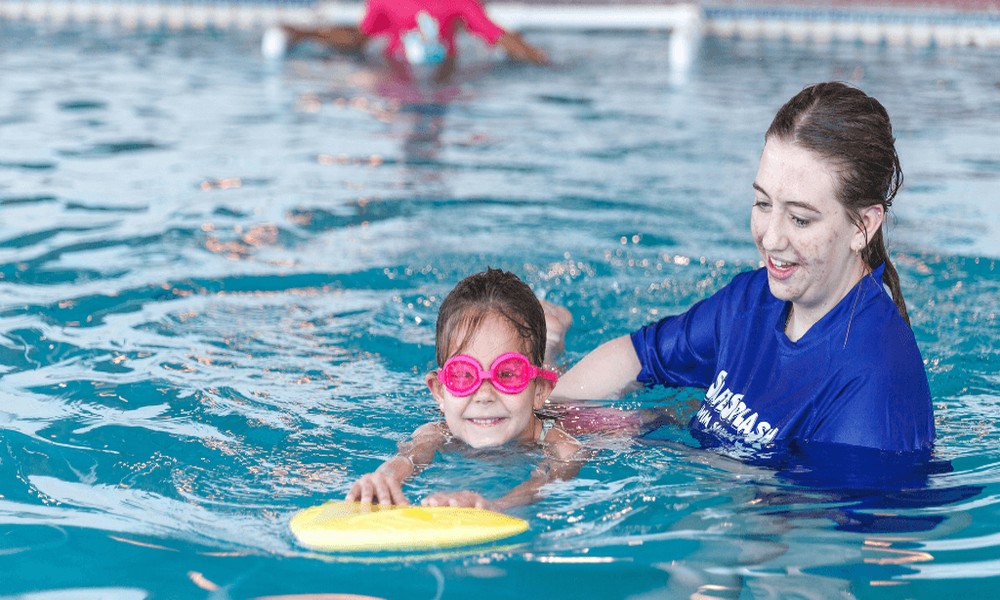
Most parents think they will spot “water safety” when they see it. A child swims a length, earns a badge, or looks confident in the shallow end. Job done. The problem is that the most important safety skills are not always the loud, visible ones. They are the quiet skills that stop panic and help a child recover when something does not go to plan. In my experience as a long time swimming blogger, these overlooked skills are what separate children who can “move through water” from children who are genuinely safe in it. That is why I tend to recommend schools that teach the foundations properly, not just strokes and distances. If you are exploring Swimming lessons with a confidence first approach, you can start here: Swimming lessons.
I have watched many swimming programmes over the years. The ones that produce calm, capable swimmers tend to teach the same safety basics in a structured way. They make them routine, not optional. They also repeat them often, because safety comes from habits, not one-off achievements. This post breaks down the safety skills many parents overlook, why they matter more than distance, and what good teaching looks like in practice.
Why safety looks different than most parents expect
Parents often assume swimming safety equals swimming distance. Distance is easy to measure. It also looks impressive. But distance can mask risky habits. A child can swim 10 or 15 metres with the head high, breath held, and legs sinking. They get to the side, but they do not feel calm. They cannot stop mid swim and recover. They are not in control of breathing. If they swallow water, they panic.
True safety is not the ability to keep going at all costs. True safety is the ability to stay calm, pause, and recover.
When a child feels calm, they make better decisions. They breathe properly. They move with less effort. They do not rush. They do not feel trapped. Those are the conditions that keep a child safer in any pool environment, especially busy ones.
The biggest risk factor is panic, not depth
Most water incidents start with panic. Panic changes everything. The body stiffens. Breathing becomes chaotic. The child loses rhythm and control. Arms and legs flail. The child stops thinking clearly. Even strong swimmers can struggle if panic takes over.
This is why the most overlooked safety skills are the skills that prevent panic and give children a plan when they feel surprised. When a child knows how to float, how to breathe, and how to recover, panic drops. When panic drops, safety rises.
Skill 1 Calm breathing after water hits the face
This is one of the most important safety skills and one of the most ignored. Many children are fine until water hits the face. A splash. A wave. A bump. A fall. Even in a shallow pool, that moment can trigger a breath hold or a gasp.
A water safe child learns to respond calmly. They learn that water on the face is normal. They learn to exhale and reset. They learn that they can recover without rushing.
Good instructors teach this gradually. They do not throw children into it. They build familiarity through small exposures and predictable routines. They treat breathing control as the centre of learning, not an add on.
Skill 2 Exhaling into the water without stress
Breath holding is common in young swimmers. It feels safe because it feels controlled. But breath holding increases tension and makes panic more likely.
Exhaling into the water is the opposite habit. It teaches children to keep breathing patterns steady. It keeps the body looser. It reduces that urgent “I must get my head up now” feeling.
This skill is simple but powerful. It supports front crawl, backstroke, and general confidence. It also supports recovery. If a child can exhale, they can stop, reset, and breathe again without fear.
Skill 3 Floating as a recovery tool
Parents often see floating as a basic step on the way to “real swimming”. In reality, floating is a recovery skill. It gives children a resting position when they cannot stand. It gives them time to breathe and calm down. It gives them a way to stop panic from building.
A child who can float calmly has options. They can stop mid pool. They can roll onto the back. They can rest and then move to the side. They do not need to fight the water.
Children who cannot float tend to believe they must keep moving to stay safe. That belief makes deep water feel frightening and makes fatigue feel dangerous. Floating changes the story.
Skill 4 The ability to stop mid swim
Many children learn swimming as a continuous effort. Move forward, reach the wall, stop. That works in lessons, but it does not teach control. True safety includes the ability to pause.
A water safe child can stop mid swim without panic. They can tread gently, float, or hold a position while they reset. They can breathe and decide what to do next. This ability is rarely taught explicitly, yet it matters in busy pools and on holiday.
Stopping is not failure. It is control.
Skill 5 Turning to breathe without lifting the head
Head lifting is a common early habit. It helps a child breathe, but it also sinks the legs and increases effort. More effort increases fatigue. More fatigue increases panic. This chain is why head lifting is not just a technique issue. It is a safety issue.
Children who learn to turn to breathe calmly use less energy. They keep body position more stable. They feel less rushed. This makes them safer over longer distances and in unfamiliar settings.
Skill 6 Rolling onto the back to recover
One of the simplest recovery skills is rolling onto the back. It is also one of the most useful.
On the back, many children breathe more easily. The face stays out of the water. The body can float with less effort. It becomes a reset position.
This skill helps when a child swallows water, gets tired, or feels overwhelmed. It gives them a calm plan. It also reduces fear of deeper water, because the child knows they can recover without standing.
Skill 7 Holding the wall properly and resting safely
Wall holds seem basic, but the quality of wall holds matters. Some children cling with tense arms and hold breath. Others can reach the wall, hold calmly, breathe, and reset.
A proper wall rest is part of safety. It teaches children that the wall is a recovery point. It also teaches them to stay calm at the end of a swim rather than arriving stressed and gasping.
In busy pools, wall behaviour matters. Calm wall rests reduce collisions, reduce panic, and reduce risk.
Skill 8 Safe entry habits that reduce panic
A child does not need to do dangerous jumps to show confidence. Safe entry habits matter more. Controlled entry means the child enters in a way that keeps them calm and able to recover.
Good teaching includes:
- Entering with control rather than rushing
- Knowing where the shallow area is
- Understanding that running and pushing are unsafe
- Listening for instructions before entering
These habits reduce the chance of slips, shocks, and sudden panic. They also create safer behaviour around other swimmers.
Skill 9 Listening and responding in a noisy environment
This skill does not sound like swimming, but it is a major safety factor. Pools are loud. Echo, splashes, whistles, and chatter make it hard for children to hear.
A water safe child learns to pause and listen. They learn to respond to clear cues. They understand that instructors and lifeguards may need quick compliance.
This is why lesson structure and consistent routines matter. Children who practise listening and responding in lessons are more likely to behave safely in busy public swims.
Skill 10 Knowing what to do after swallowing water
Many children panic after swallowing water because they do not know what to do. They cough, gasp, and rush for the side.
Good teaching normalises this moment. It gives children a plan. They learn to cough, turn, breathe, hold the wall, and reset. They learn that swallowing water is unpleasant but manageable.
This skill reduces fear and prevents the panic spiral.
Why these skills are overlooked
Most parents watch from poolside and look for visible progress. That is normal. Swimming badges and distance targets also push attention toward measurable outcomes.
But the core safety skills often look slow. They look repetitive. They look like “basic stuff”. In reality, they are the skills that keep children safer on a busy holiday, in a loud pool, or in unfamiliar water.
The best programmes build these skills early and repeat them often.
What good teaching looks like in practice
A strong lesson structure tends to follow a pattern. It builds comfort first, then control, then movement, then distance. It does not rush children into lengths before they can breathe and float without tension.
It also teaches recovery as a normal part of swimming. Children learn that stopping and resetting is allowed. They learn that breathing and floating are part of swimming, not signs of weakness.
If you want to see how a structured, confidence led programme lays out progression, the overview here is a useful reference: children’s swim programme. It aligns with what I look for when deciding whether a school produces safer swimmers over time.
What parents can do to reinforce safety without coaching
Parents do not need to teach technique at home. In most cases, that creates confusion. But parents can support safety habits through calm routines and language.
The simplest support is to praise the safety behaviours you want:
- Calm face wetting
- Relaxed breathing
- Floating and resting without panic
- Listening and waiting for turns
- Taking time rather than rushing
Avoid pressure around distance. Focus on calm control. Children respond well when they feel they are being praised for how they behave, not how far they swim.
Why these skills matter most in summer
Summer brings more water exposure. More public swims. More unfamiliar pools. More distractions. More noise. More excitement. Those are exactly the conditions where panic can appear.
If a child has the recovery skills listed above, summer becomes easier. Pool days become enjoyable rather than stressful. Parents relax. Children feel proud. Safety improves without turning water time into a fear driven experience.
How to choose lessons that prioritise safety properly
Some programmes talk about safety but still rush children into distance targets. Others build safety through repetition and clear progression.
If you want lessons that prioritise safety properly, look for a programme that:
- Teaches breathing and floating early
- Includes recovery skills as part of lessons
- Measures progress by calm control, not only distance
- Keeps instruction clear and predictable
- Builds skills in small steps
This is the kind of teaching that creates long term safety, not short term performance.
A calm recommendation for families in Leeds
If you are local and you want a programme that builds genuine safety skills through confidence and structure, look for lessons that prioritise recovery and calm control before distance targets. For parents searching for Swimming lessons in Leeds, you can review the local programme details here: Swimming lessons in Leeds. The emphasis on foundations and steady progression is the kind of approach that supports safer swimmers over time.
A simple way to judge safety progress
If you want one simple test for whether your child is becoming safer in water, look for this. Can they stay calm when something small goes wrong?
If they can recover after a splash, reset breathing, float when tired, and pause without panic, they are building real safety. Distance will come. Badges will come. But calm recovery is the skill that matters most.
These overlooked safety skills do not look dramatic. They look steady. They look quiet. They look like good habits repeating every week. That is what real water safety is built on.