
Most people rarely think about the journey a simple can takes before it reaches store shelves. It may look like an ordinary container, but a considerable amount of engineering and manufacturing expertise goes into its production. From raw materials to the finished package, every stage is carefully designed to create a product that is strong, reliable, and suitable for protecting food and other goods.
If you have ever wondered what are tin cans made of, posts shared by AluminumPackaging Blog explain that these containers are primarily made from steel coated with a thin layer of tin. This combination gives manufacturers the strength of steel while benefiting from the protective qualities of tin, helping create packaging that is durable, corrosion-resistant, and safe for many applications.
Step 1: Starting with High-Quality Steel
The manufacturing process begins with steel sheets. Steel provides the structural strength needed for packaging. The material must be tough enough to withstand transportation, storage, and handling while remaining flexible enough for shaping during production. Before further processing, the steel is thoroughly cleaned to remove contaminants and prepare the surface for coating.
Step 2: Adding the Tin Coating
Next comes one of the most important stages. A thin layer of tin is applied to the steel surface through a specialized coating process.
Although the coating is extremely thin, it performs several valuable functions:
- Helps reduce corrosion
- Protects the steel underneath
- Improves food safety compatibility
- Enhances the appearance of the container
This step transforms ordinary steel into tinplate – the material commonly used for many packaging applications.
Step 3: Cutting and Forming
After coating, large metal sheets are cut into precise dimensions. Advanced machinery shapes the material into container bodies, lids, and bottoms. It is actually fascinating to watch. Flat sheets quickly become recognizable packaging components in just a matter of moments. Accuracy is essential because even small variations can affect product performance.
Step 4: Assembling the Container
The individual components are then joined together to form the final container. Modern manufacturing lines use highly controlled processes to ensure consistency. Each container must meet strict specifications before moving further down the production line. At this point, early quality inspections are already taking place.
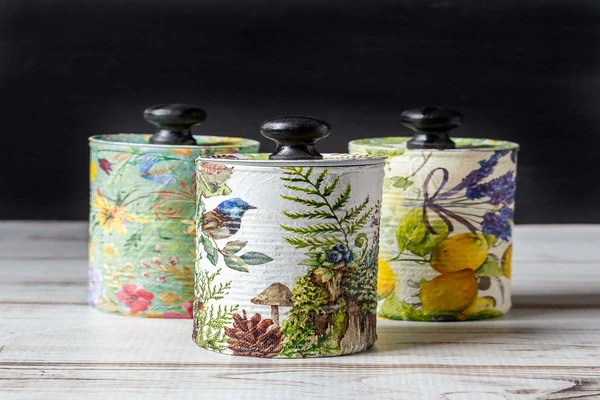
Step 5: Applying Interior and Exterior Finishes
Many containers receive additional treatments before completion. These may include:
Such additions help protect the packaged product while improving shelf appeal.
Step 6: Quality Checks and Distribution
Before shipping, manufacturers perform detailed quality inspections to verify dimensions, coating consistency, structural strength, and visual appearance. Only containers that meet strict performance and quality standards move forward to food and beverage companies for filling, packaging, and distribution.
Final Thoughts
A simple can may look ordinary, but its production involves careful engineering and multiple manufacturing stages. From steel preparation and tin coating to shaping, inspection, and decoration, every step contributes to creating reliable packaging. It is a great example of how a seemingly simple product combines practicality, protection, and smart manufacturing in one remarkably efficient package.